Why is it Important to Detect Water Damage Early?
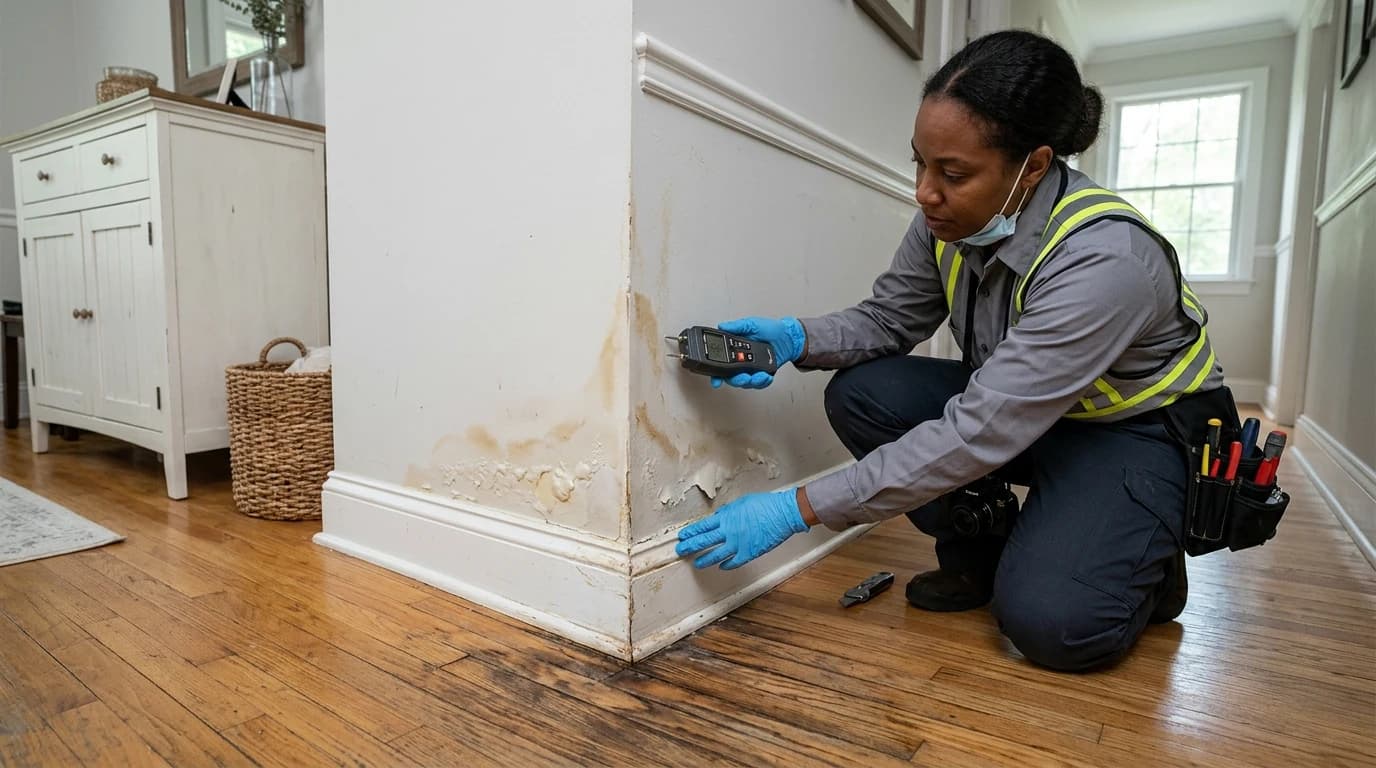
Detecting water damage early can prevent minor issues from escalating into major repairs, saving homeowners significant costs. Water damage can compromise the structural integrity of your home, lead to mold growth, and affect your health. By identifying issues at an early stage, you ensure your home remains safe and sound. Regular inspections, especially in vulnerable areas like basements and attics, can make a significant difference.
When water seeps into the structure of your home, it can weaken wooden beams and drywall, potentially leading to costly renovations. Additionally, mold thrives in damp environments and can begin to grow within 24 to 48 hours of water exposure. Mold not only damages your property but also poses serious health risks, including respiratory issues and allergic reactions.
Being proactive can also protect your home insurance claims. Many insurance policies require prompt reporting of water damage to cover the costs. Delays in detection and reporting can result in denied claims, leaving you financially responsible for repairs. For more detailed advice, reach out to a professional like Haworth Water Damage Restoration for an expert assessment.
When water seeps into the structure of your home, it can weaken wooden beams and drywall, potentially leading to costly renovations. Additionally, mold thrives in damp environments and can begin to grow within 24 to 48 hours of water exposure. Mold not only damages your property but also poses serious health risks, including respiratory issues and allergic reactions.
Being proactive can also protect your home insurance claims. Many insurance policies require prompt reporting of water damage to cover the costs. Delays in detection and reporting can result in denied claims, leaving you financially responsible for repairs. For more detailed advice, reach out to a professional like Haworth Water Damage Restoration for an expert assessment.
What Are Common Signs of Water Damage?
Some common signs of water damage include discoloration of walls or ceilings, peeling paint, and musty odors. Listen for unusual sounds like dripping or rushing water, especially after heavy rain. Check for warped flooring or sagging ceilings, which can indicate a serious problem. In Haworth, where humidity can be high, look out for mold or mildew in areas that are often damp. An internal inspection can help pinpoint hidden issues before they cause more harm.
Discoloration often appears as yellow, brown, or copper-colored spots on walls and ceilings. These stains indicate water has penetrated the surface and may have been present for some time. Peeling paint or wallpaper is another sign, as moisture causes the adhesive to fail.
Musty odors are a tell-tale sign of mold growth, which can be hidden behind walls or under carpets. Mold often accompanies water damage and can spread rapidly if not addressed. Warping or buckling of floors, particularly hardwood, indicates saturation and potential subfloor damage.
Pay attention to window frames and door casings for signs of swelling or distortion, which suggest water intrusion. In NJ’s humid climate, condensation on windows can also suggest high indoor humidity levels, a precursor to mold growth.
Discoloration often appears as yellow, brown, or copper-colored spots on walls and ceilings. These stains indicate water has penetrated the surface and may have been present for some time. Peeling paint or wallpaper is another sign, as moisture causes the adhesive to fail.
Musty odors are a tell-tale sign of mold growth, which can be hidden behind walls or under carpets. Mold often accompanies water damage and can spread rapidly if not addressed. Warping or buckling of floors, particularly hardwood, indicates saturation and potential subfloor damage.
Pay attention to window frames and door casings for signs of swelling or distortion, which suggest water intrusion. In NJ’s humid climate, condensation on windows can also suggest high indoor humidity levels, a precursor to mold growth.
How Can You Conduct a Self-Inspection?
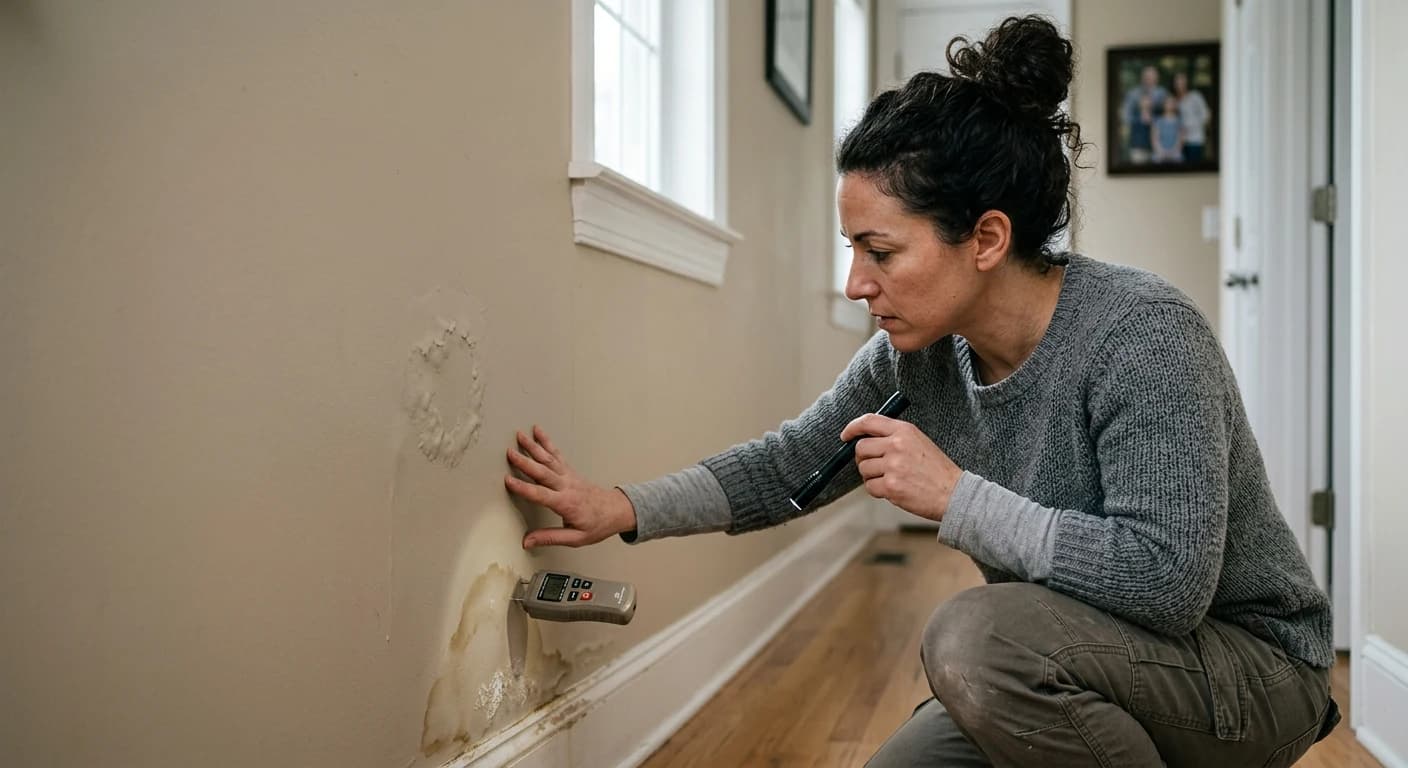
Start by inspecting visible areas for any signs of water damage such as stains or bubbles in paint. Pay attention to corners and areas near plumbing fixtures. Use a flashlight to check darker areas for mold or moisture. Feel for dampness along baseboards and corners of the basement. Listen for unusual sounds that may indicate leaking pipes. Consistent monitoring can help in early detection, but for comprehensive inspection, consider professional services from a trusted local provider.
Begin your inspection by walking through each room of your house, systematically checking ceilings, walls, and floors. Use a flashlight to illuminate dark corners and behind furniture where water damage might be hidden. In bathrooms and kitchens, check around sinks, toilets, and tubs for any signs of leaks or damage.
Inspect the attic for signs of roof leaks, including water stains on the underside of the roof sheathing or damp insulation. In the basement, look for cracks in the foundation or efflorescence, a white powdery substance left by evaporated water.
Regularly check your water meter. If you suspect a leak, turn off all water sources and check the meter. If it continues to move, you likely have a leak somewhere in your plumbing system.
For areas prone to moisture, consider investing in a moisture meter, a tool that measures the percentage of water in materials. This can help you identify moisture levels in walls and floors.
Remember, while a self-inspection is helpful, it doesn't replace the expertise of professional water damage restoration services. Professionals have the tools and experience to identify and address hidden damages effectively.
Begin your inspection by walking through each room of your house, systematically checking ceilings, walls, and floors. Use a flashlight to illuminate dark corners and behind furniture where water damage might be hidden. In bathrooms and kitchens, check around sinks, toilets, and tubs for any signs of leaks or damage.
Inspect the attic for signs of roof leaks, including water stains on the underside of the roof sheathing or damp insulation. In the basement, look for cracks in the foundation or efflorescence, a white powdery substance left by evaporated water.
Regularly check your water meter. If you suspect a leak, turn off all water sources and check the meter. If it continues to move, you likely have a leak somewhere in your plumbing system.
For areas prone to moisture, consider investing in a moisture meter, a tool that measures the percentage of water in materials. This can help you identify moisture levels in walls and floors.
Remember, while a self-inspection is helpful, it doesn't replace the expertise of professional water damage restoration services. Professionals have the tools and experience to identify and address hidden damages effectively.
Effective Prevention Tips to Avoid Water Damage
Preventing water damage is crucial to maintaining the integrity of your home. Start by ensuring proper drainage around your property. Clean gutters and downspouts regularly to prevent blockages that can cause water to overflow and seep into your foundation. Extend downspouts away from the house to direct rainwater at least three feet from the foundation.
Regularly inspect your roof for missing or damaged shingles, as these can allow water to penetrate during storms. Seal any gaps around windows and doors with weather stripping or caulk to prevent leaks. Inside the home, regularly check under sinks and around appliances like dishwashers and washing machines for leaks.
Consider installing a sump pump in your basement, especially if you live in an area prone to flooding. Test it regularly to ensure it's in good working condition. Additionally, installing a backwater valve can prevent sewage backups, which can cause significant water damage and health hazards.
Investing in water leak detectors can also provide early warnings of leaks in high-risk areas. These devices can alert you via smartphone notifications, allowing you to address issues promptly. By taking these preventive measures, you can significantly reduce the risk of water damage and protect your home from costly repairs.
Regularly inspect your roof for missing or damaged shingles, as these can allow water to penetrate during storms. Seal any gaps around windows and doors with weather stripping or caulk to prevent leaks. Inside the home, regularly check under sinks and around appliances like dishwashers and washing machines for leaks.
Consider installing a sump pump in your basement, especially if you live in an area prone to flooding. Test it regularly to ensure it's in good working condition. Additionally, installing a backwater valve can prevent sewage backups, which can cause significant water damage and health hazards.
Investing in water leak detectors can also provide early warnings of leaks in high-risk areas. These devices can alert you via smartphone notifications, allowing you to address issues promptly. By taking these preventive measures, you can significantly reduce the risk of water damage and protect your home from costly repairs.
When to Call in the Professionals
While self-inspections and preventive measures are essential, there are times when professional intervention is necessary. If you notice persistent issues like recurring mold or water stains that don't seem to have an obvious source, it may be time to consult a professional. Experts in water damage restoration have specialized equipment, such as infrared cameras and moisture meters, that can detect hidden leaks and moisture levels within walls and floors.
In cases of significant flooding or burst pipes, immediate professional help is crucial. These situations require rapid response to minimize damage and prevent mold growth. Professional restoration services can efficiently extract water, dry affected areas, and restore your home to its original condition.
Additionally, if you experience water damage from natural disasters like hurricanes or heavy storms, professional assistance can help navigate insurance claims and ensure thorough restoration. Professionals can also assess structural integrity and provide necessary repairs that might not be visible to the untrained eye.
In Haworth and other areas with high humidity, ongoing issues with dampness or mold should be addressed by experts to prevent long-term damage. Trusting professionals with extensive experience ensures that all aspects of water damage are handled effectively, safeguarding your home and health in the long run.
In cases of significant flooding or burst pipes, immediate professional help is crucial. These situations require rapid response to minimize damage and prevent mold growth. Professional restoration services can efficiently extract water, dry affected areas, and restore your home to its original condition.
Additionally, if you experience water damage from natural disasters like hurricanes or heavy storms, professional assistance can help navigate insurance claims and ensure thorough restoration. Professionals can also assess structural integrity and provide necessary repairs that might not be visible to the untrained eye.
In Haworth and other areas with high humidity, ongoing issues with dampness or mold should be addressed by experts to prevent long-term damage. Trusting professionals with extensive experience ensures that all aspects of water damage are handled effectively, safeguarding your home and health in the long run.
Understanding the Role of Humidity in Water Damage
Humidity plays a significant role in water damage, especially in regions with fluctuating climate conditions. High humidity levels can exacerbate existing water damage and create new issues. When the air is saturated with moisture, it can lead to condensation on cooler surfaces like windows, walls, and pipes. Over time, this condensation can contribute to water damage, even in areas that appear dry. In homes, maintaining indoor humidity levels between 30% and 50% can help prevent such issues.
To manage humidity, consider using dehumidifiers, particularly in basements and other damp-prone areas. These devices can effectively reduce moisture in the air, minimizing the risk of mold growth and structural damage. Regularly check and clean HVAC systems, as they can harbor moisture and distribute it throughout your home. Ensuring that your home is well-ventilated is another crucial step. Use exhaust fans in kitchens and bathrooms to expel humid air, and open windows when weather permits.
Additionally, be mindful of indoor activities that increase humidity, such as cooking, showering, or drying clothes indoors. Implementing these practices can help you maintain a healthy indoor environment and protect your home from the adverse effects of humidity-related water damage. By staying vigilant about humidity levels, you can prevent minor issues from escalating into significant problems, safeguarding your home and health.
To manage humidity, consider using dehumidifiers, particularly in basements and other damp-prone areas. These devices can effectively reduce moisture in the air, minimizing the risk of mold growth and structural damage. Regularly check and clean HVAC systems, as they can harbor moisture and distribute it throughout your home. Ensuring that your home is well-ventilated is another crucial step. Use exhaust fans in kitchens and bathrooms to expel humid air, and open windows when weather permits.
Additionally, be mindful of indoor activities that increase humidity, such as cooking, showering, or drying clothes indoors. Implementing these practices can help you maintain a healthy indoor environment and protect your home from the adverse effects of humidity-related water damage. By staying vigilant about humidity levels, you can prevent minor issues from escalating into significant problems, safeguarding your home and health.
Seasonal Maintenance Tips for Water Damage Prevention
Seasonal maintenance is key to preventing water damage, as different times of the year present unique challenges. In the spring, focus on clearing out gutters and downspouts to ensure they are free of debris. This allows rainwater to flow away from your home, reducing the risk of foundation seepage. Check for any cracks or damage in your foundation and seal them promptly to prevent water intrusion.
During the summer, inspect your roof for any signs of wear or damage. The intense sun and occasional summer storms can take a toll on roofing materials. Replace missing or damaged shingles to prevent leaks. It's also a good time to check your attic for proper insulation and ventilation, which can help manage humidity levels.
In the fall, prepare for the winter months by ensuring your plumbing is well-insulated. This prevents pipes from freezing and bursting during cold spells. Drain outdoor hoses and shut off exterior faucets to protect against freezing. It's also wise to inspect and service your heating system to ensure it's functioning efficiently, as this can help maintain a stable indoor climate.
Winter requires vigilance against ice dams, which can form on your roof and lead to water damage. Ensure your attic is properly insulated to prevent heat from escaping and melting snow on the roof. By following these seasonal maintenance tips, you can effectively protect your home from water damage throughout the year, ensuring it remains safe and sound.
During the summer, inspect your roof for any signs of wear or damage. The intense sun and occasional summer storms can take a toll on roofing materials. Replace missing or damaged shingles to prevent leaks. It's also a good time to check your attic for proper insulation and ventilation, which can help manage humidity levels.
In the fall, prepare for the winter months by ensuring your plumbing is well-insulated. This prevents pipes from freezing and bursting during cold spells. Drain outdoor hoses and shut off exterior faucets to protect against freezing. It's also wise to inspect and service your heating system to ensure it's functioning efficiently, as this can help maintain a stable indoor climate.
Winter requires vigilance against ice dams, which can form on your roof and lead to water damage. Ensure your attic is properly insulated to prevent heat from escaping and melting snow on the roof. By following these seasonal maintenance tips, you can effectively protect your home from water damage throughout the year, ensuring it remains safe and sound.